
Navigating Life with POTS: What Helped Me Persist Until Treatment
- Robin Franklin
- Apr 1
- 10 min read

Updated: Apr 2

When I first became sick with Postural Orthostatic Tachycardia Syndrome (POTS) in 2023, my life changed in ways I never expected. The dizziness, fainting spells, and neurological symptoms made it hard to think clearly or even move without fear of falling. I experienced non-epileptic seizures and syncope so severe that I ended up in the emergency room multiple times, needing steroid shots to recover. At that time, doctors were still trying to understand what was happening to me, and I felt completely lost.
One of the most challenging parts was the mental fog. My brain felt disconnected, like I was living in a dream. I struggled to form words, remember simple things, and hold conversations. The lack of circulation to my brain caused by POTS affected my memory and cognitive function deeply. On the worst days, I felt like I was fading away.
In this post, I aim to recount my journey from those initial, daunting days to discovering a path to reclaim some independence by using a wheelchair, a ukulele, and several other tools that supported me during that time. I hope my experiences assist others facing similar challenges, making it easier for them to navigate their own struggles.
Understanding the Cognitive Impact of POTS
POTS affects the autonomic nervous system, which controls blood flow and heart rate. When standing, blood pools in the lower body, and the heart struggles to pump enough blood to the brain. This causes symptoms like dizziness, fainting, and brain fog.
I would start sentences and suddenly forget what I wanted to say. Sometimes I couldn’t remember important dates or conversations I had just moments before. This made social interactions stressful and exhausting.
Why Memory Loss Happens with POTS
Reduced blood flow to the brain lowers oxygen and nutrient supply.
Regular fainting and poor circulation interfere with normal brain function.
Chronic fatigue affects concentration and memory retention.
Anxiety and stress from dealing with symptoms worsen cognitive function.
Even now, after starting treatment, I still experience memory lapses during flare-ups triggered by weather changes, due to pressure changes in the atmosphere, or stress. The difference is that I no longer have difficulty remembering basic things like my birthday or recent conversations with my husband, and I can participate in discussions much more effortlessly. Thankfully, I no longer have difficulty completing sentences or keeping up with conversations. My brain functions significantly better now that my doctors and I have discovered effective treatments for me, which is why I am finally able to do something like write a blog!
Finding Practical Solutions:
The Wheelchair as a Tool for Independence
Early on, I realized I needed help moving around safely. I bought a wheelchair from Amazon because I knew that if I was already sitting, I couldn’t fall. This simple decision made a huge difference in my daily life.
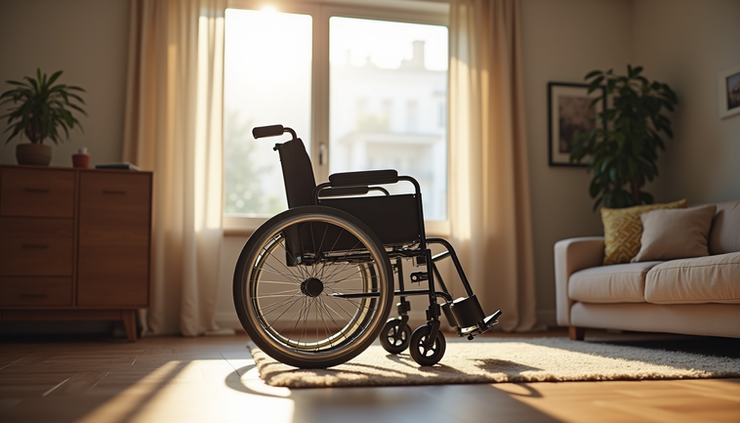
How the Wheelchair Helped Me
Reduced risk of falls during dizzy spells, which were a near daily occurrence at that time.
Allowed me to move around the house without relying on others.
Made it easier to care for my dogs and myself even on bad days.
Helped my heart by keeping me seated, reducing the strain of standing.
I want to emphasize that I only use the wheelchair when necessary. Staying physically active is crucial for managing POTS symptoms and preventing worsening exercise intolerance. Using the wheelchair is a way to function and stay safe, not a replacement for movement.
Wheelchair from Amazon:
The Ukulele as a Source of Stress Relief and Cognitive Exercise
I was stuck in bed, I had no idea what was wrong with me, if I was dying, if I was going to be ok? There I was again, stuck in bed, I could barely think. I wasn't going anywhere and I was tired of doing nothing again. I needed to do or try something that would engage my brain, no matter how terrible I was at it, even if it was 5 minutes a day, I was determined to learn how to play.
Starting out my playing was absolutely terrible, but advice for anything new is to be patient with yourself, everyone has to start somewhere and even professionals don't start out sounding great. "Consistency over Perfection" and I finally had time to be consistent because there was literally nothing I could focus on with my messed up brain. Playing for more than 10-15 minutes at a time was quite challenging, yet during those moments of concentration while holding the ukulele, focusing on finger placement, and reading the music, I almost felt normal. It was so hard to hold even this focus, but this time gave me the closest thing to normal that I would feel all day. I slowly learned finger placement, strumming, and a few songs, even if they sounded terrible the first month.

When my playing began to sound good and I started performing songs I truly enjoyed, my love for playing the ukulele grew immensely. It's an experience that grows exponentially! It's tough at first, but after a few days, the effort really starts to show results. I can't express how challenging it is to be confined to bed, and deciding to pick up the ukulele was one of the best choices I've made, alongside getting a wheelchair. During that initial month, especially the first week, things were rough, and my playing sounded awful. I felt like giving up and dismissing it as something not suited for me, but then I recalled a quote that said,
"Anything that can be taught, can be learned, you just need to be willing to learn," author unknown.
I took a deep breath and pressed on. This experience really helped me realize the importance of pushing through the toughest mental and physical challenges. Playing became incredibly therapeutic for me. It felt like I was achieving something meaningful with my day. I was learning how to play successfully! It was satisfying, kept me engaged throughout the day, and stimulated my brain. The worst thing for you neurologically is to not engage in activities that challenge it. You remember lyrics and chords, adjust finger placements between chords, and concentrate deeply to play, which requires the involvement of multiple areas of the brain.
A year later, after I had started treatment and I began to improve I also learned how to play the guitar! The medication improved my circulation, allowing me to be more active, play more throughout the day, and I could comfortably hold the guitar because it no longer felt like I had lead weights attached to my limbs.
This is the app/website I use to play guitar/ukulele:
Ultimate Guitar
This is the ukulele I own. It's a beginner's soprano ukulele, making it very affordable, and with upgraded strings, it sounds pretty good!
Tips for Managing POTS Symptoms and Cognitive Challenges
The most important thing to do is go to a POTS specialist if you suspect or have POTS. Without treatment my quality of life was nothing. I was absolutely and completely stuck in bed and could barely get myself to the bathroom. I couldn't think, could barely talk at times. The best time was when I was asleep because then at least I could do something and feel like myself.
The best treatment I have received is daily IV infusions and to treat MCAS I have started a biologic which has been absolutely life changing in its effectiveness so far. There was only so much oral medicine was able to do for my severe case of POTS, and I'll never forget the first infusion. I felt this weird feeling in my fingers and on the top of my head, and all of a sudden I had more sensation in my fingers and could feel again! Neurologically, suddenly I felt like me again! I could think again!! I was able to feel like I was in first person instead of third person or watching a movie of someone else's life. I cried with happiness. It is torture living with your reality altered. Suddenly, like a switch, just from a simple bag of saline, how I perceived life was back to normal.
Living with POTS requires a combination of medical treatment, lifestyle adjustments, and support, but the worst part is before diagnosis and treatment. Here are some strategies that helped me cope with memory loss and physical symptoms:
1. Establish a Routine
Having a daily schedule helps reduce mental fatigue. I use my phone calendar with reminders for appointments, and alarms for medications and important tasks. Having my two dogs also encourages me to begin my morning routine since I need to wake up and start my tasks for the day.
The most beneficial actions I took to help myself get out of bed before starting treatments were:
Drinking an electrolyte beverage
Massaging my abdomen and legs to promote blood circulation
2. Use Memory Aids
Write down important information immediately.
Set alarms for medications and activities.
3. Stay Hydrated and Eat Small, Frequent Meals
Dehydration is the primary adversary for individuals with POTS. Proper hydration is essential for optimal circulation in the body. The less hydrated you are, the more severe your symptoms will become. It's crucial to be particularly cautious about this when you're outdoors, especially in warmer weather. Low levels of electrolytes and blood sugar can also exacerbate symptoms. Consuming ample fluids and eating balanced meals assist in maintaining blood pressure.
I strongly suggest investing in a large water bottle. It greatly assists me in remembering to stay hydrated and tracking how much more I need to drink. I also made sure to choose a really fun multicolored water bottle! If you're facing a tough time, try to make it enjoyable! Staying hydrated is crucial for circulation, especially for someone with POTS, so it's essential to always have a water bottle with you. If you need a water bottle, make it fun!
40oz tumbler on amazon:
4. Practice Gentle Physical Activity
Light exercises like stretching or seated yoga or Pilates improve circulation without overexerting the heart
Stationary bikes are another great safer option if you are worried about leaving the house to go for a walk or workout, but want to workout in a way that does elevate your heartrate.
A bike pedal exerciser enables you to sit in a comfortable chair, ensuring your safety in case you experience syncope during your workout.
5. Seek Emotional Support
Talking to friends, family, or support groups helps reduce anxiety and isolation. I cannot stress enough how much having a therapist during this time helped me. For over a year and a half, I spent most of my time confined to a bed and a wheelchair. I didn't feel like myself due to my brain being so affected, and most of my medical experiences were dreadful. However, I had two doctors who were absolutely wonderful and provided immense help as we tried to diagnose my condition.
In contrast, other specialists quickly dismissed my issue when they determined it wasn't within their expertise, assuming instead that I was mentally ill. It was a terrible experience. Their attitude changed suddenly, turning extremely indifferent, and no matter what I said or did, I could tell they resigned themselves away from continuing my care. I had numerous questions about which specialist to consult next after hitting another dead end or which tests to undergo. I was desperate to improve and terrified of getting worse, and when a doctor doesn't believe you are as sick as you are, especially after repeated ER visits where you're unable to move, it triggers a range of strong emotions, particularly confusion and fear. I was incredibly grateful that my husband believed me. I needed that support. The assistance of a therapist was beneficial because I had been working with her before developing POTS. She helped me navigate the emotions and challenges that came with becoming so suddenly disabled.
6.Other Tools that Helped Me
Shower Stool: Showers are absolutely torture after you get POTS. You can't self regulate your body temperature so you have to have the water warm, not hot, and after you get out you feel exhausted.
Blood Pressure Monitor: This is a crucial tool for tracking your progress, particularly when you begin to increase your salt intake. It serves as a guide to assess your physical condition and can assist you in determining necessary actions if you're not feeling well.
Foot elevation pillows: This in combination with doing leg and abdominal message helped me feel so much better! It circulated the blood that had pooled in my abdomen and legs.
Reading: Reading can help you escape where you are and how you are feeling and travel to far away lands that you could only imagine! It can be incredibly beneficial to keeping your mind active and sharp, while engaging your brain.
Gaming: Gaming would allow you to socialize, and engage your brain while still giving you something you can do within your restrictions.
While I was sick my first year with POTS, I would play some games with my husband, and it helped me feel like I was doing something! It was like, "Yeah!! I'm mining crystals!!" "Yeah, I'm shooting arrows!!" "I'm fishing!!" all things I would love to do in the real world, but had no idea when or if I would ever be able to do that again.
The Role of Loved Ones in Supporting Cognitive Health
When I was at my worst, my husband’s presence was a lifeline. When he wasn’t around, my brain struggled to focus, and my symptoms worsened. Having someone to listen, help with conversations, and provide reassurance made a huge difference.
I became reliant on my husband in numerous ways. I needed him for food and support, as I struggled to complete sentences when speaking to others, particularly as the day progressed. At times, I was unable to think clearly or make decisions, and there were moments when I couldn't move, so he would call the ambulance. When I experienced syncope and couldn't get back up by myself, he was always there for me.
When I tell you I praise God and am thankful for my husband every single day, I seriously mean it. I annoy him with how much I tell him I love him, he's my angel, and I am so blessed to have him in my life.
He still occasionally needs to come to my aid, but at least I'm now able to contribute around the house. It might sound trivial to some, but I get incredibly excited when I'm able to stand long enough and feel well enough to do the dishes and make dinner for the love of my life.
If you have a loved one with POTS, here are ways to support them:
Be patient during memory lapses or confusion.
Help keep track of appointments and medications.
Encourage breaks and rest when needed.
Offer emotional support without judgment.
Always carry water and electrolyte mix packets.
Moving Forward with Hope and Adaptation
Living with POTS is a daily challenge, but it is possible to find ways to adapt and regain some independence. Using a wheelchair when necessary gave me the freedom to move safely and care for myself. If you or someone you know is struggling with POTS, remember that you are not alone. Seek medical advice, explore assistive devices, and build a support network. Small changes can lead to big improvements in quality of life. Stay positive and remember that God is with you!
A helpful site to find a POTS specialist near you:
Sources:


Comments